Our Patrons
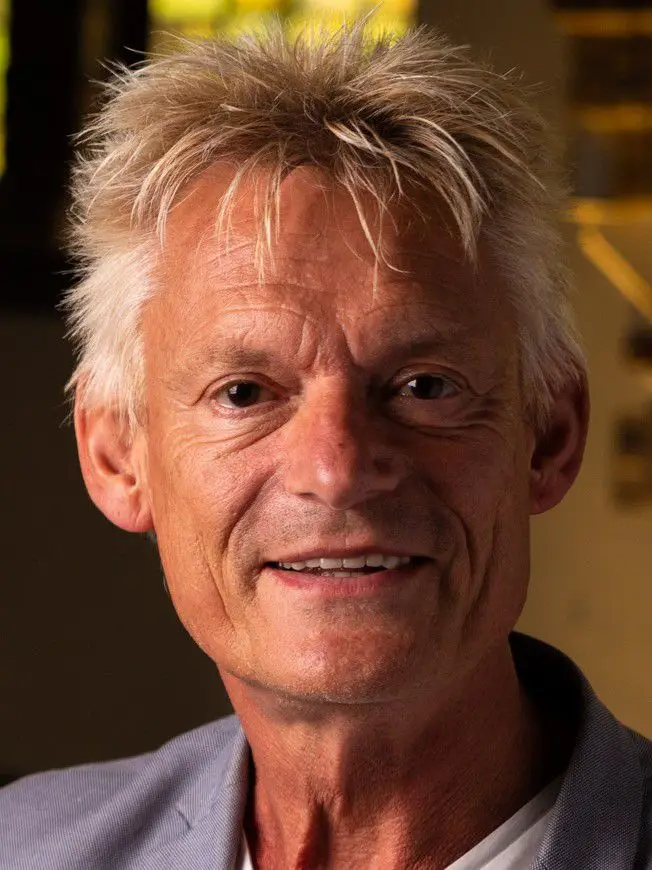
Ad de Jongh. Ph.D
Ad de Jongh, Ph.D. is a clinical psychologist and professor of Anxiety and Behaviour Disorders at the University of Amsterdam. Further, he is honorary professor in psychology at the School of Health Sciences of Salford University in Manchester, at the Institute of Health and Society of the University of Worcester, and at the School of Psychology of Queen’s University in Belfast.
In 2015 Ad de Jongh was involved in the establishment of the Psychotrauma Expertise Center (PSYTREC), a mental health institution in Bilthoven that uses a short, and highly intensive treatment program for Complex PTSD, where he is head of the research department. He is approved trainer for the EMDR Europe association, an expert in the treatment of anxiety disorders, and involved in research on the efficacy of evidence-based, trauma-focused treatments for a wide variety of patient groups, such as traumatized children, people with intellectual disabilities and other complex psychiatric conditions, including psychosis.
He has (co-)authored more than 400 scientific articles/book chapters and 6 books on his areas of expertise.
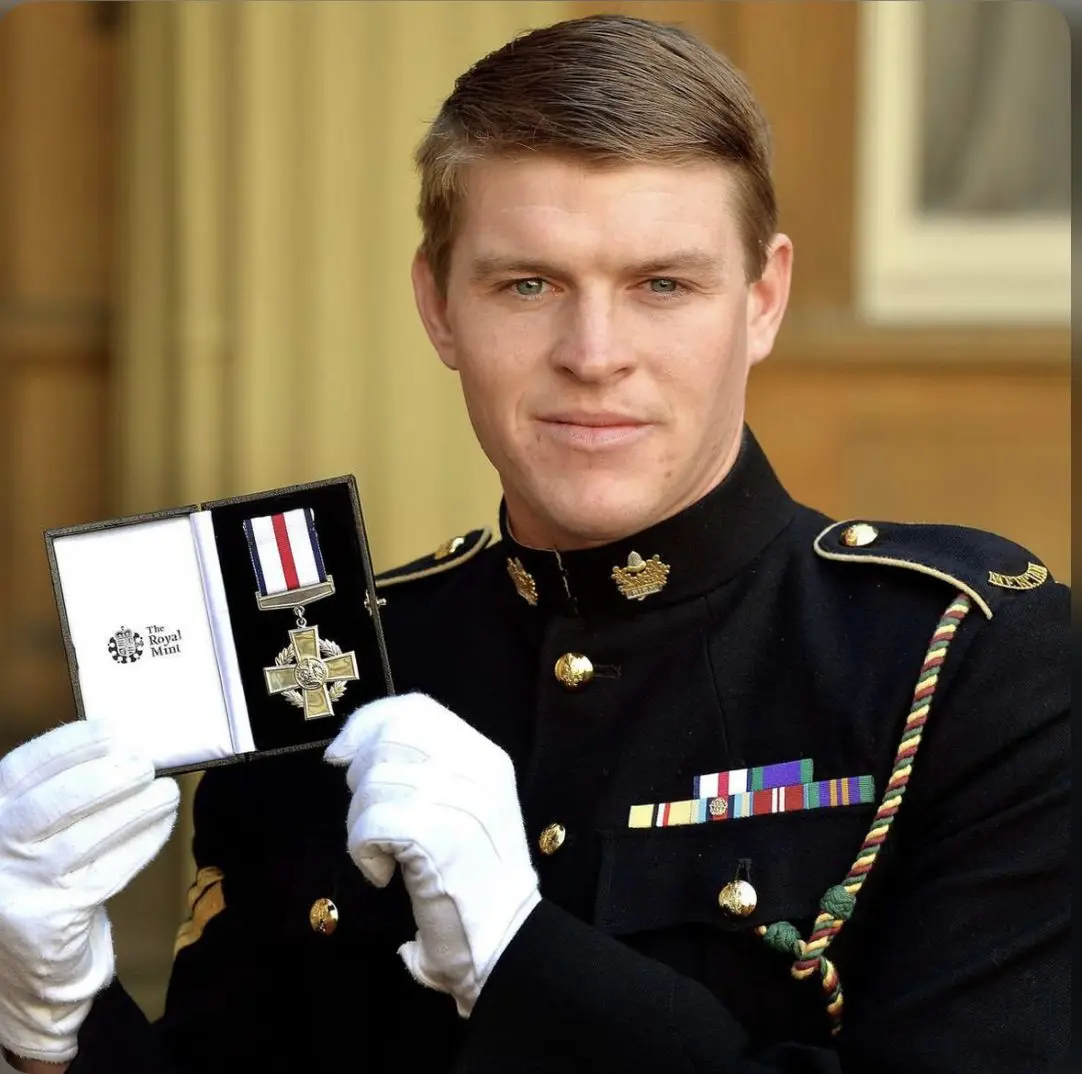
Josh Griffiths CGC
Josh Griffiths enlisted in the army at the age of 17 in 2006 and embarked on a series of deployments to Afghanistan, Iraq, and Northern Ireland. Notably, as part of Operation Herrick 17 in October 2012, he was deployed to Afghanistan with the Mercian Regiment.
Corporal Griffiths was honored with the prestigious Conspicuous Gallantry Cross in recognition of his exceptional acts of bravery during a counter-attack against enemy insurgents in Afghanistan in 2013. Despite enduring severe injuries that included a broken back and grenade fragments mere millimeters from his left eye, he fearlessly pressed on.
Following the intense ordeal, he was promptly hospitalised back in the UK to receive the necessary medical care for his injuries.
However, along with physical wounds, Corporal Griffiths battled with complex post-traumatic stress disorder (CPTSD) stemming from theattack and other distressing incidents throughout his service.
Seeking assistance from the Op Courage Veterans Mental Health Team and the Departments of Community Mental Health Team within the Donnington military base, he was disheartened to hear that PTSD and CPTSD were deemed incurable, leaving him with the indefinite management of his condition. This revelation left Josh feeling hopeless and abandoned.
Having been repeatedly told by numerous psychologists and psychiatrists that his CPTSD was incurable, Josh initially found it hard to believe in the possibility of healing. Now, having experienced his own recovery, he eagerly awaits the opportunity to help others with PTSD and CPTSD realize that they too can be cured, regardless of how lost or helpless they may feel.
