Research
It’s Time To Talk About Trauma

At Trauma Research UK, our belief is, ‘it’s not what’s wrong with you, it’s what happened to you’. With this philosophy, we believe that everyone can successfully overcome their mental health issues if given the right help.
We believe that all mental health issues are symptoms of a prior trauma; that trauma being contextual and based upon cognitive development. For example, as an adult a trauma could be, being attacked, whereas, for a child, a trauma could be being laughed at in school assembly.
Knowing that different therapies work for some and not others, we want to ensure that those suffering have the very best chance of recovery. At Trauma Research UK, we believe if there are more recognised therapies available to the world, there will be more options available for sufferers to obtain the help they need. The knowledge that there are multiple avenues available to them also provides people with hope that there is a light at the end of the tunnel.
Our team are dedicated to identifying new therapies with a successful track record, to then fund further research – helping enable these promising new treatments to be available to all.
At Trauma Research UK, we don’t ask, “What’s wrong with you?” — we ask, “What happened to you?”
We believe that behind every mental health challenge lies a story and that story is invariably a past experience, a trauma. And because trauma is deeply personal and shaped by cognitive development, it looks different for everyone. What devastates a child, being laughed at in assembly, for example, might seem trivial to an adult. But to that child, it’s real trauma.
Mental health issues are often not standalone conditions; we believe they are all symptoms of unresolved trauma. With the right support, we also believe anyone can recover.
Yet, recovery isn’t one-size-fits-all.
Different therapies work for different people. That’s why our mission is to ensure those struggling with their mental health have access to a wide range of well-researched, effective treatments. When people know there are multiple paths to healing, it gives them hope, and that hope can literally be life-saving.
At Trauma Research UK, we seek out promising new therapies that show real results. We help fund the research needed to bring them to light, so they can reach the people who need them most. We also support individuals and organisations working to prove that mental health issues are, at their core, symptoms of past trauma. If you’re striving to shine a light on this connection through research or innovation, we may be able to assist with funding and collaboration.
The problem?
The dominant approach to mental health treatment globally still revolves around medication, antidepressants, anti-anxiety drugs, mood stabilisers, and antipsychotics. While these can ease symptoms, they rarely address the root cause. Worse still, they often come with side effects that can be as difficult as the symptoms themselves.
The NHS typically offers two main treatment routes: medication and talking therapy, usually Cognitive Behavioural Therapy (CBT). CBT, developed in the 1960s, has proven valuable for many, but it isn’t a cure-all. And few therapies have reached similar levels of recognition since.
New therapies need rigorous scientific backing to gain acceptance. That’s a major barrier and why many innovative treatments are overlooked.
Take EMDR (Eye Movement Desensitisation and Reprocessing), developed in 1987. After years of study, it’s now recognised by the World Health Organisation and increasingly offered within the NHS. This proves that with enough evidence, change is possible.
But many other powerful therapies remain hidden due to a lack of funding and awareness. These overlooked approaches could transform lives, but only if given the chance.
Trauma affects millions. Yet research into its treatment remains massively underfunded despite the toll it takes on individuals, society, and public health systems like the NHS.
At Trauma Research UK, we’re working to change that. We fund the science behind emerging therapies. We fight to bring effective new treatments into the spotlight. And most importantly, we support those suffering today, helping them move from surviving to thriving.
Trauma Doesn’t Have to Be for Life
Recovery is possible — and science backs it up
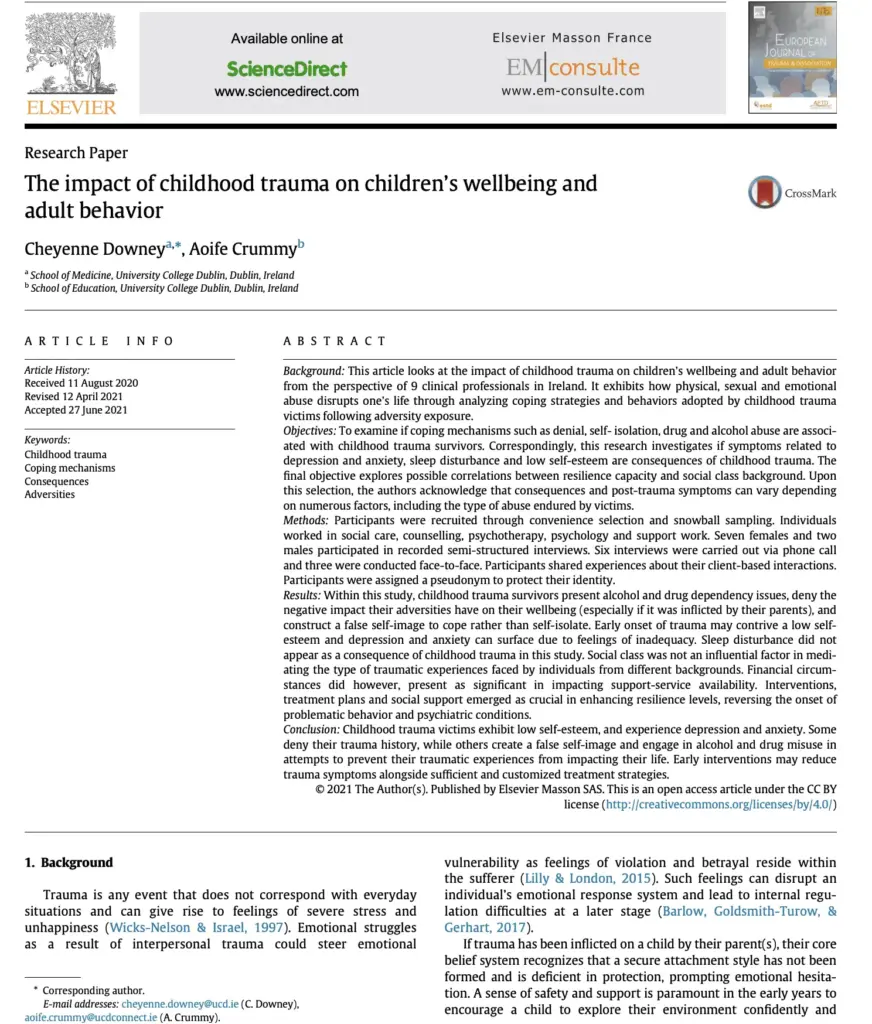
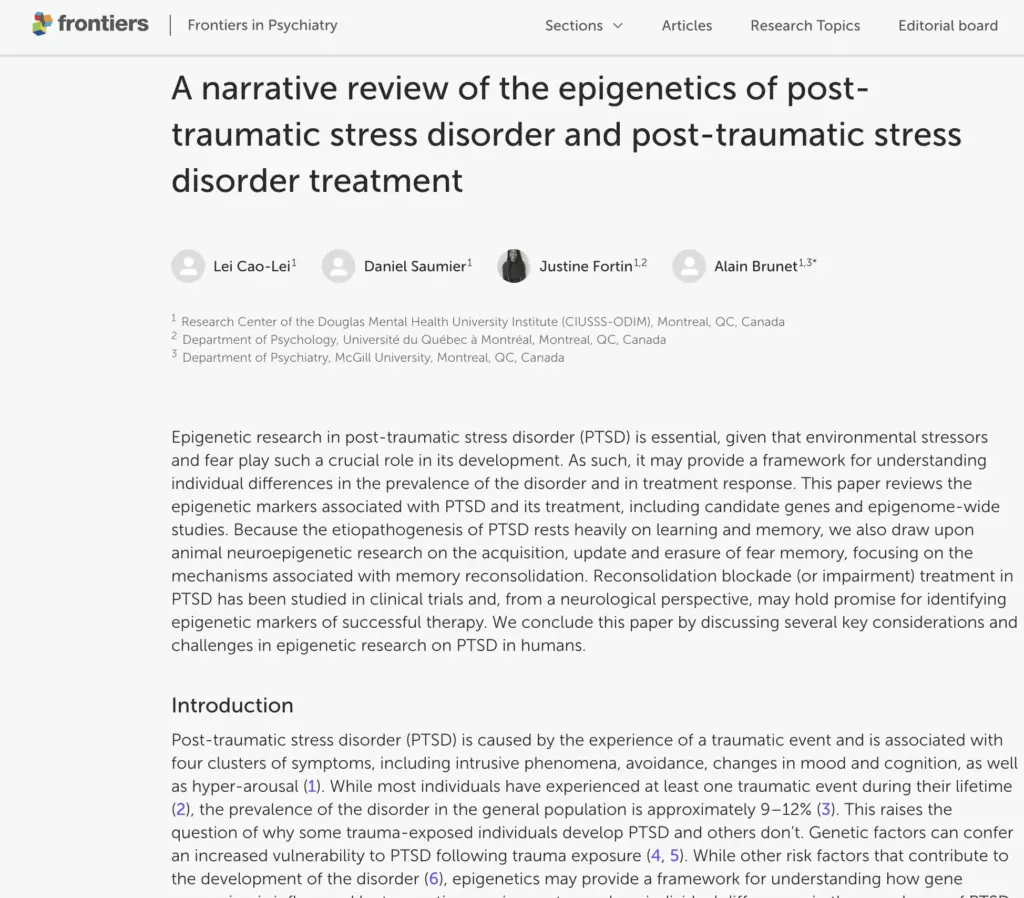
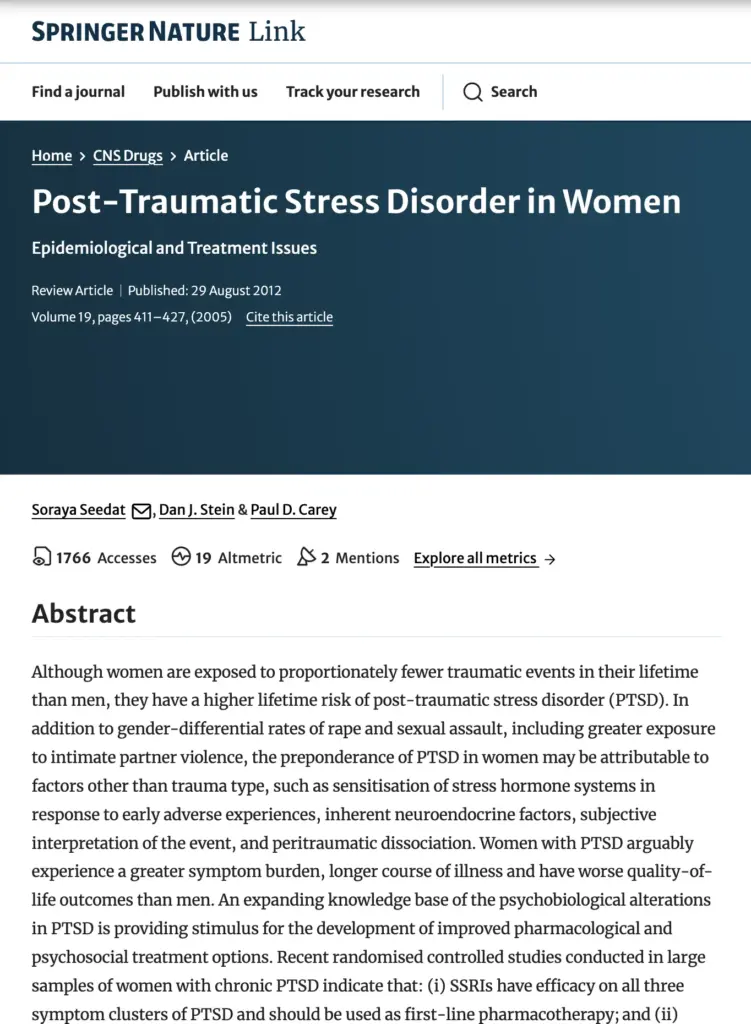
Below are research papers and studies that demonstrate how trauma-informed approaches and innovative therapies can lead to lasting healing and change.