Understanding the Fear
The fear of losing control is a psychological condition where anxiety or panic arises when an individual feels they are no longer in charge of their environment, emotions, thoughts, or actions. This fear can manifest as an overwhelming need for order and predictability, making chaotic or uncertain situations particularly challenging. Individuals with this fear often exhibit increased vigilance, constantly monitoring their surroundings for potential threats.
Triggers for this fear can include stress, trauma, anxiety, or specific phobias, and it may be associated with mental health conditions like obsessive-compulsive disorder (OCD) or generalised anxiety disorder (GAD). The sensation of losing control activates a primal stress response, leading to an intense desire to escape anxiety-provoking situations. This reaction is rooted in a sense of helplessness and the perceived inability to handle the situation.
Often, this fear is triggered by specific events or thoughts that disrupt rational thinking. Recognising that the fear of losing control is usually learned rather than based on actual evidence is essential. While it may seem like losing control of one’s actions is inevitable, the reality is that individuals always maintain control over their thoughts and behaviours.
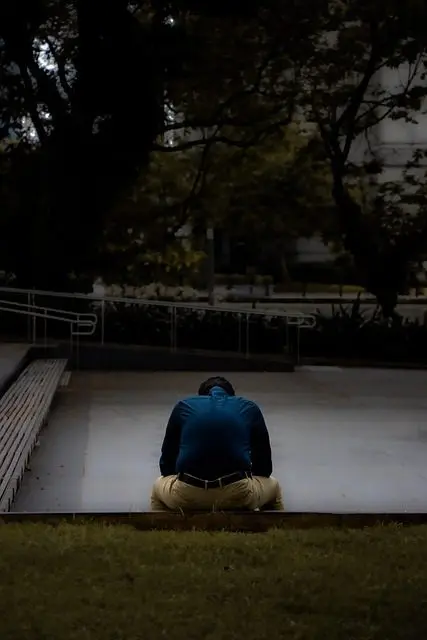

Overcoming the Fear
To overcome this fear, it is crucial to interrupt the thought patterns that trigger the stress response. Recognising that the fear is a learned reaction allows for altering the mindset and diminishing the stress response. Reframing the fear not as a personal deficiency but as a fear of losing control in specific scenarios can help. Gradually confronting these situations rather than avoiding them is key.
Analysing the origin of the fear is also important. Determine whether it stems from an actual incident or is merely perceived. The situation may have been misinterpreted without concrete evidence of ever losing control.
Examples
The fear of driving:
Driving in unfamiliar areas or heavy traffic can cause anxiety, especially for those who have experienced or witnessed an accident. This fear can escalate to panic attacks, avoidance, or even phobias.
Counter Evidence:
- Vehicles are designed to protect us in case of accidents.
- They provide comfort, reliability, and convenience.
- Gadgets like GPS offer guidance on unfamiliar routes.
The fear of having a panic attack:
The fear of having a panic attack can be debilitating, causing individuals to avoid situations where they believe an attack might occur. This fear can lead to social withdrawal, decreased quality of life, and increased anxiety.
Counter Evidence:
- Panic attacks, while frightening, are not life-threatening.
- They typically last only a few minutes.
- Learning and practicing deep breathing techniques can help manage symptoms.
Managing these fears involves identifying their origins. Is the fear based on actual experience or perceived threats? If there is no evidence of losing control, it’s crucial to change this perception. Develop strategies and take small steps to alter this belief. Anxiety in context is normal, but don’t let fear prevent you from living fully. Overcome these fears by understanding that the fear of losing control is just that – a fear, not reality.