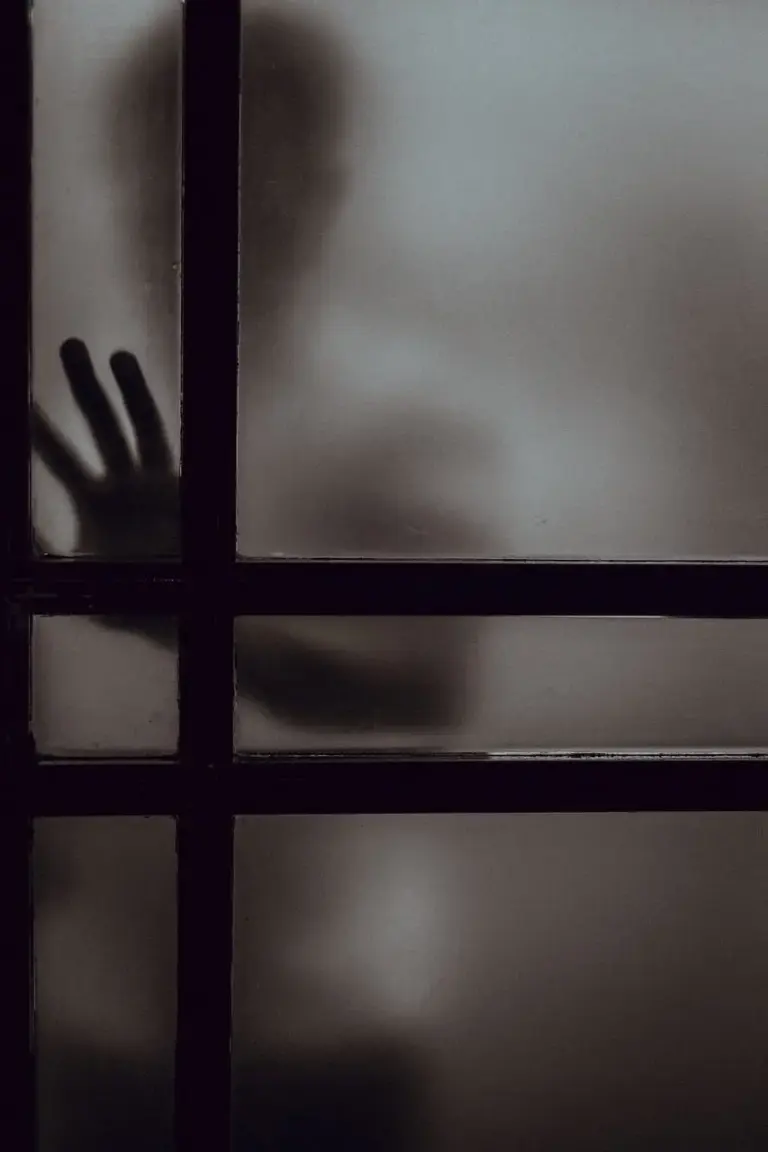
What is Nyctophobia?
Nyctophobia is a fear of the dark. It’s more than just not liking the lights off; it can bring on strong anxiety, racing thoughts, or physical sensations like a fast heartbeat or sweating.
For many people, the fear isn’t really about the darkness itself, but what it feels like it might hide: uncertainty, imagined threats, or memories linked to being in the dark.
It can show up in different ways, like avoiding dark spaces, needing a light on to sleep, or feeling uneasy when night falls. If this sounds familiar, you’re not alone, and it’s something that can be worked through.
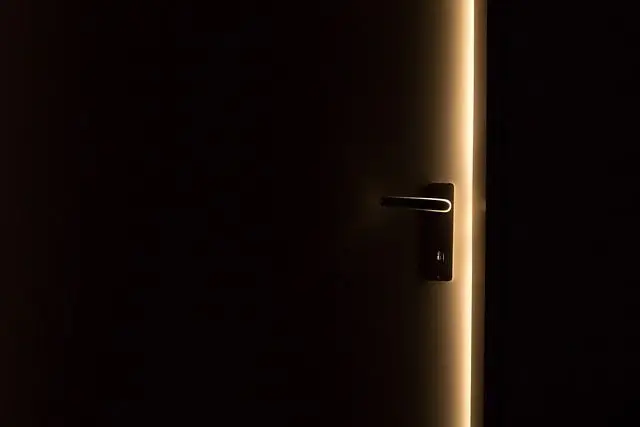

How Does Nyctophobia Start?
Like many fears, nyctophobia often begins in childhood. It can develop from moments that felt frightening at the time, even if they seem small now. For example, being suddenly woken in the night by a loud noise might create a strong fear response. In that moment, your brain may link that feeling of fear to the darkness itself, even though the darkness wasn’t the cause.
As children, our imaginations are vivid and our understanding of the world is still developing. This can make experiences feel bigger, scarier, and more real.
Over time, your brain may hold onto that association as a way of protecting you. Avoiding the dark might bring short-term relief, but it can also reinforce the idea that it’s something to be afraid of.
Overcoming Nyctophobia
The encouraging news is that fears like this are learned, which means they can also be unlearned, gently and at your own pace. Here are some ways to begin:
Look back with understanding
It can help to reflect on when the fear may have started. Often, it’s linked to a moment that felt intense at the time, even if it feels different now.
Gently question the fear
Darkness itself isn’t harmful, even though it can feel that way. Noticing the difference between what feels scary and what’s actually happening can help reduce the sense of threat over time.
Take small steps
If it feels manageable, gradually spending short periods in low-light or dim spaces can help build confidence. There’s no need to rush; small steps are enough.
Notice unhelpful patterns
Things like always needing a light on or avoiding certain spaces can feel helpful in the moment, but may keep the fear going. Becoming aware of these patterns is a positive first step.
You don’t have to force yourself into the dark or push through fear all at once. With patience, understanding, and the right support, it’s possible to feel safer and more at ease over time.