What is Stress?
We’ve all been there. It’s that feeling of being overwhelmed, strung out, or on the verge of snapping. But what exactly is stress, and how does it affect us?
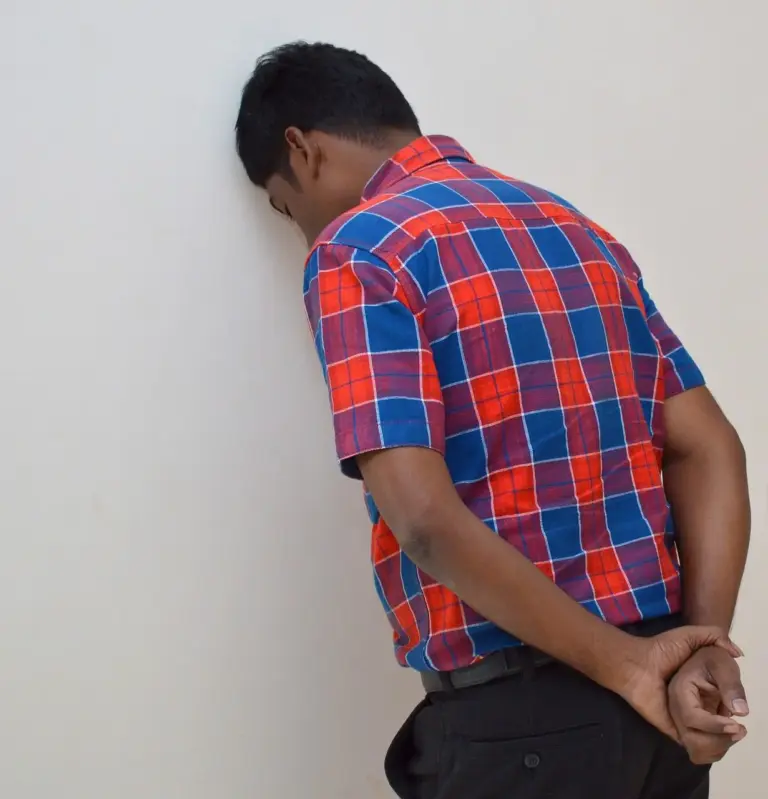
Stress is your body’s natural response to a challenge or threat. It can be triggered by anything from work deadlines to financial woes to family arguments. While some stress can be motivating, chronic stress can wreak havoc on your physical and mental health.

What Causes Stress?
Stress can be caused by a variety of factors, including:
- Work Pressure: Work-related stress is one of the most common types of stress. It can be caused by long working hours, tight deadlines, difficult colleagues or bosses, and job insecurity.
- Financial Problems: Financial stress is another common type of stress. It can be caused by debt, unemployment, unexpected expenses, and other financial problems.
- Family Issues: Family problems such as divorce, conflict, and caregiving responsibilities can be a significant source of stress.
- Health Concerns: Health-related stress can be caused by chronic illness, pain, and disability.
Effects of Stress
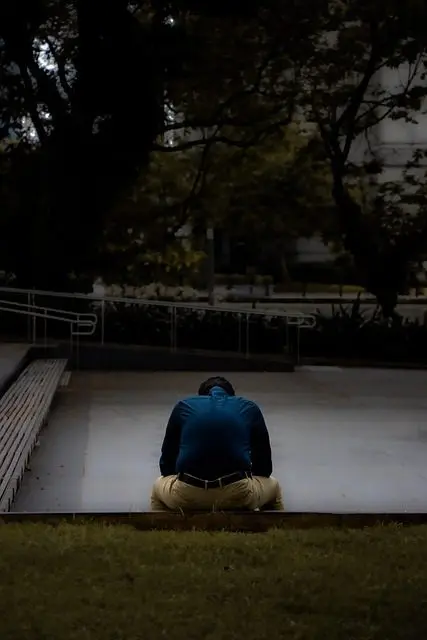
Stress can have a significant impact on our physical and mental health. Some of the most common effects are:
- Anxiety and Depression: Stress can lead to anxiety and depression, which can significantly impact our mental health.
- Heart Disease: Chronic stress can increase the risk of heart disease.
- Digestive Problems: Stress can cause digestive problems such as irritable bowel syndrome, stomach ulcers, and acid reflux.
- Insomnia: Stress can also lead to insomnia, which can significantly impact our quality of life.

Symptoms of Stress
Stress can manifest in a variety of physical, emotional, and behavioural symptoms. Some of the more common symptoms can include:
Physical Symptoms:
- Headaches
- Muscle tension or pain
- Fatigue or exhaustion
- Sleep problems
- Digestive problems (e.g. upset stomach, diarrhoea, constipation)
- Changes in appetite (eating too much or too little)
- Increased heart rate and blood pressure
- Sweating or trembling
Emotional Symptoms:
- Anxiety or worry
- Irritability or anger
- Feeling overwhelmed or helpless
- Sadness or depression
- Feeling moody or easily agitated
- Difficulty concentrating
- Racing thoughts or constant worry
Behavioural Symptoms:
- Procrastination or avoidance
- Increased use of alcohol or drugs
- Social withdrawal or isolation
- Changes in eating or sleeping habits
- Nervous habits (e.g. nail biting, pacing)
- Overreacting to small problems or conflicts
- Difficulty making decisions
It’s important to note that everyone experiences stress differently and the symptoms can vary from person to person.
Effective Stress Management
The good news is, that stress doesn’t have to rule your life. Here are some powerful tools to combat it:
- Move Your Body: Exercise is a natural stress reliever. It releases endorphins, those feel-good chemicals that boost your mood.
- Mind Your Mind: Meditation and mindfulness practices can help calm your thoughts and reduce stress in the moment.
- Manage Your Time: Feeling overwhelmed by tasks? Prioritise and delegate to regain control.
- Prioritise Self-Care: Make time for activities you enjoy, get enough sleep, and eat a healthy diet. These habits build resilience against stress.
- Connect with Others: Social support is a powerful stress buffer. Talk to friends, family, or a charity like ours. Continue Reading…