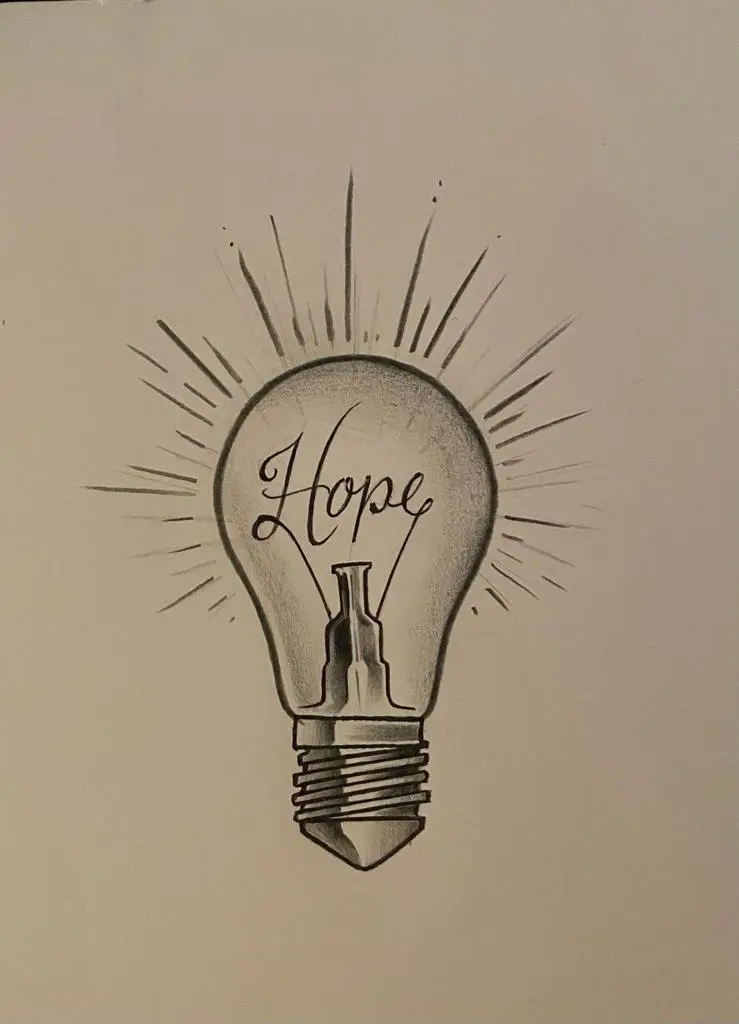
The quality of your life and well-being depends on where you choose to invest your beliefs. If you find yourself living in fear, constantly worried about a potential danger or threat you may be stuck in a cycle that leaves you feeling anxious, isolated, or even depressed. When fear takes control, it shrinks your world, narrowing your focus to avoiding anything that might trigger anxiety. But it doesn’t have to be this way. You can choose a different path, one that leads to a fuller, more meaningful life.
Understanding Fear
Fear is a powerful emotion, rooted in believing that something bad might happen. It involves placing your faith in negative outcomes, even when there is no immediate evidence of danger. When you live in fear, you are essentially investing your beliefs in what could go wrong, allowing these possibilities to control your actions and decisions. Fear’s negativity bias means that it magnifies threats and keeps you focused on worst-case scenarios, making it difficult to move forward or enjoy life.
The tricky part is that fear feels real. When you’re in its grip, the imagined threat seems just as real as a physical one, leading you to respond as if you’re in danger—even when you’re not. But here’s the truth: just as you can believe in the possibility of negative outcomes, you can also choose to believe in positive ones.
The Nature of Hope:
Hope, like fear, is the belief in something you cannot see. The difference lies in where you direct that belief. While fear favours negative outcomes, hope leans towards the positive. It involves choosing to see the potential for good in uncertain situations, trusting that things can improve, and believing that better days lie ahead.
Hope isn’t about being unrealistic or denying the challenges you face; it’s about shifting your focus from what could go wrong to what could go right. When you choose hope, you are actively deciding to invest your beliefs in positive possibilities. This simple shift can have a profound impact on your well-being and transform how you experience life.
Why Choosing Hope Over Fear Matters
Adopting a mindset of hope is not only empowering but also crucial for maintaining good mental health. When you consistently choose hope over fear, you build resilience—the ability to bounce back from setbacks. Instead of letting fear limit your life and dictate your choices, hope encourages you to see beyond temporary difficulties and find new ways forward.
Research shows that hope is linked to lower levels of anxiety and depression. It helps broaden your perspective, allowing you to see growth opportunities where you once saw only obstacles. This doesn’t mean you will never feel fear again, but when it arises, you’ll be better equipped to manage it, knowing that you can consciously choose to believe in a positive outcome instead.
Putting it into Practise
Like any skill, this requires practice. Here are some steps to help you make hope a more dominant force in your life:
- Acknowledge Your Fears
Don’t suppress your fears or pretend they don’t exist. Instead, recognise them for what they are: beliefs in negative outcomes. Acknowledge that while fear feels real, it is not always grounded in reality. This awareness can help you separate yourself from the emotion and see it as a product of your mind, not a fact of life. - Challenge Negative Thoughts
When fear-based thoughts arise, question their validity. Ask yourself, “What evidence do I have that this will definitely happen?” and “What else could be true?” By challenging your fear, you start to break down the mental barriers it creates. - Visualise Positive Outcomes
Spend time each day imagining the best-case scenario. This doesn’t mean ignoring potential risks, but rather training your mind to see hope as an equally realistic possibility. When you visualise positive outcomes, you strengthen your belief in them, making it easier to choose hope when faced with uncertainty. - Surround Yourself with Positivity
Invest your time and energy in activities, people, and environments that uplift you. Positive influences can reinforce your hope and provide a counterbalance to fear. Whether it’s listening to inspiring stories, practising gratitude, or engaging in hobbies that bring you joy, these practices help build a hopeful mindset. - Take Small Steps Forward
Fear often leads to avoidance, which can make the world feel smaller and scarier. To counteract this, take small steps that push you outside your comfort zone. Each step, no matter how small, is a victory against fear. As you make progress, your confidence grows, and so does your belief in positive possibilities.
There is Always Hope
The idea of adopting hope may seem impossible when fear has taken hold of your life. However, it’s easier than you might think. Start with small, intentional steps towards hopeful thinking, and over time, you’ll find that hope becomes your default response to life’s uncertainties.
Remember, hope doesn’t eliminate the challenges you face, but it does change how you respond to them. When you choose to believe in positive outcomes, you open the door to new opportunities and experiences. Investing in hope isn’t just an act of optimism; it’s an act of self-care. It’s about taking control of where you direct your beliefs and, in turn, shaping the quality of your life. So, take a step today, choose hope, practise it, and watch as it reshapes your world for the better.