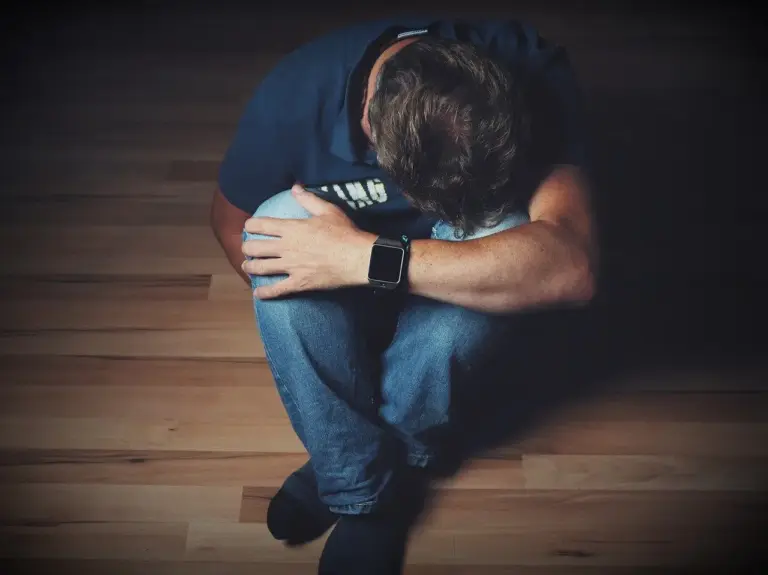
Panic Attacks
A panic attack is a sudden episode of intense fear or discomfort that reaches a peak within minutes. It can include physical symptoms like heart palpitations, sweating, trembling, shortness of breath, and feelings of impending doom.
Panic attacks typically last between 5 to 20 minutes. Most symptoms peak around 10 minutes and then start to subside.
Panic attacks are often caused by the body’s natural “fight-or-flight” response, which floods the system with adrenaline to respond to perceived threats. When this response is triggered without physical action, it can lead to anxiety symptoms and a panic attack.
Panic attacks are not physically harmful, but they can be very frightening. They are the body’s natural response to perceived danger. It’s important to remember that, although intense, they are not life-threatening.
Yes, children can experience panic attacks, although they may have difficulty expressing their feelings. Symptoms can include extreme fear, crying, shaking, and clinging to a caregiver.
While both involve intense anxiety, panic attacks are sudden and involve a combination of physical and emotional symptoms that peak within minutes. Anxiety attacks are generally less intense and build up gradually in response to stressors.
It’s understandable to worry during a panic attack, as the symptoms can feel very real and scary. While panic attacks share some symptoms with serious health conditions, there are usually some key differences. For instance, chest pain from a panic attack might feel different from angina (chest pain due to heart problems). If you’re unsure or it’s your first time experiencing this, it’s always best to seek medical attention. This will give you peace of mind and ensure no underlying medical conditions are present.
Understanding and identifying triggers, life events, and underlying schemas from past experiences can help manage and overcome panic attacks. Reflecting on the circumstances of initial attacks,creating a timeline, keeping a diary, and examining negative experiences can provide insights into the root causes of panic attacks.
Panic attacks can sometimes feel as though they appear from nowhere, but there is always a trigger. This can be due to a variety of factors including underlying stress or unresolved trauma. Sometimes, the body’s stress response is activated without an obvious cause, leading to a sudden onset of symptoms.
- Stay Calm: Remain calm and composed to help the person feel more secure.
- Reassure Them: Gently remind them that the attack will pass and that they are safe.
- Encourage Breathing: Help them focus on slow, deep breaths.
- Offer Support: Ask if there is anything you can do to help and respect their wishes.
To overcome panic attacks, it’s essential to uncover their underlying causes. Start by reflecting on your first panic attack and noting the circumstances. Keep a diary of subsequent attacks, documenting your surroundings and thoughts to identify any patterns linked to past negative experiences. Examine these experiences, especially those in similar settings, to understand potential triggers. Create a timeline of significant life events to see if they evoke current negative emotions. Identify and challenge beliefs formed from past experiences by re-evaluating their accuracy and impact. This self-awareness and reframing of associations can help manage and reduce panic attacks.
Here are a few steps you might like to take to manage your panic attacks.
Chat
Once panic sets in, some sufferers feel very isolated and often embarrassed by their condition, and therefore prefer to suffer alone. But one alternative you can do to alleviate anxiety is to force yourself to socialise in a tense situation and talk to people. Smile and seek out conversation. It may be hard at first, but you’ll find that occupying yourself is much easier than worrying about the onset of panicky thoughts.
Focus on Small Goals
Distract your mind, and occupy your thoughts to distract your anxieties. The easiest way to do this is to identify some simple targets. For example, concentrate first on sitting comfortably, sigh away the anxiety. Now imagine what you would like for dinner or what you will watch on television this evening. Read more about setting goals…
Laugh
‘Protection Attacks’ can be scary, and dealing with them is certainly no laughing matter, but laughter is at the other end of the emotional scale of fear, panic and anxiety. So when you first begin to feel the onset of an attack, immediately summon up images of a time that you laughed uncontrollably with much clarity as you can or picture in your mind that comedy film that has you in fits of giggles. The positive feel-good endorphins could stop the attack entirely in its tracks.
Positive Reassurance
Remind yourself that anxiety is not usually life-threatening, you know you will be okay as you have been okay before and have always come out of anxiety and ‘Protection Attacks’ in the past. Remind yourself that this is just a false alarm, a ‘fight’ or ‘flight’ reaction which many people experience in their lives.
See it for what it is
Your mind is trying to protect you from a perceived danger, so you are really having a ‘Protection Attack’. What this actually means is that you are in protection mode and not panic mode, as being in protection mode means your body is functioning normally and is in control. Panic by definition means out of control. Knowing this should make you feel better. If you are under no threat you can reassure yourself by saying, “I am under no threat, feeling this way is a misunderstanding, because I am not in danger”.
Trace The Feeling
It is likely to feel that the anxiety feeling rises from your stomach and up into your throat, almost as if in a circle motion. Once you can picture in your mind the movement of the feeling, imagine reversing it, and spinning it in the opposite direction.
Stop Everything
Don’t add to the adrenaline rush, find a place to sit down and gather your thoughts. Concentrate on your breathing, and imagine everything around you has gone into slow motion including your breathing. (For some counting backwards from 50 slowly with eyes closed is very beneficial). Find composure first, and then calmly move if necessary.
You’ve Got This
Remember, overcoming panic attacks is one hundred percent possible. Every step you take towards understanding and managing them is a victory. With self-awareness, the right strategies, and support, you can regain control and live a fulfilling, anxiety-free life. Believe in your strength and resilience – Take a deep breath, believe in yourself, and keep moving forward. You’ve got this!